
Photos Spark Outrage After People See Influencers Swimming In Their Drinking Water
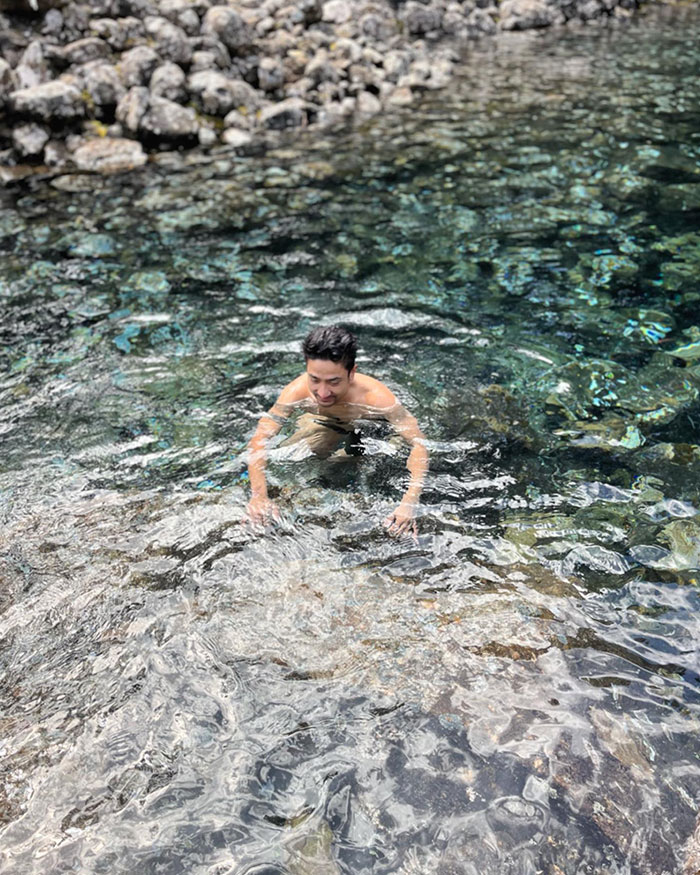
Swimmers will face an on-the-spot fine of $202, and fines of up to $4,040 per offense can be issued if the matter goes to court, according to The Guardian .
“Swimming and inappropriate toileting around the Tarn impacts water quality. Please respect this important water source,” the message continued. “’No Swimming’ signs have been erected at the Tarn and penalties apply (fine not exceeding 20 penalty units).”
The Disappearing Tarn is a fascinating example of how geological features, rainfall patterns, and environmental factors interact to create a transient natural wonder.
This ephemeral lake forms when heavy rains fill a rocky depression, creating a temporary pool with stunning turquoise waters. Its brief existence, lasting days to weeks, is due to the porous rock surrounding it, which swiftly drains away the water once rainfall diminishes. Located in Hobart’s drinking water catchment, strict regulations prohibit swimming to safeguard water purity.
Its periodic appearance and disappearance highlight the delicate balance of nature and the resilience of ecosystems in responding to natural fluctuations.
A post shared by Lou calvert (@louisecalvert)
Mount Wellington ranger Ben Masterman told the ABC about how the alluring waters of the ephemeral pool have always been a “no swimming” zone because it is a drinking water catchment zone.
“It’s always been no swimming in the drinking water catchment zone … we collect drinking water, so we don’t want people swimming, for sure,” he told the outlet on Wednesday, July 18.
He noted that walkers weren’t even allowed in the kunanyi catchment area “once upon a time,” but now, hikers can take in the beauty from the sidelines.
“We’re lucky we can walk off the track and go and visit the tarn,” he said, “Considering that it is in this sensitive environment – it’s just that we can’t swim in it and that has always been the case.”
Despite the tarn being a grade-four hike, the spot continues to be popular among hikers, and large crowds have been seen at the spot for years.
A post shared by F i o n a (@fii.alii)
A post shared by ABC Hobart (@abchobart)
Swimming has never been permitted there, and the Wellington Park Management Trust said that signs along the nearby Milles Track have said it’s a “Drinking Water Catchment Zone” for more than two decades.
The “no swimming” sign was put in place near the location in December 2022.
“Dogs are also not permitted on tracks that enter a drinking water catchment zone,” the Trust told 7NEWS.com.au .
“‘No Swimming’ signs have been erected at the Tarn and penalties apply (fine not exceeding 20 penalty units),” they added.
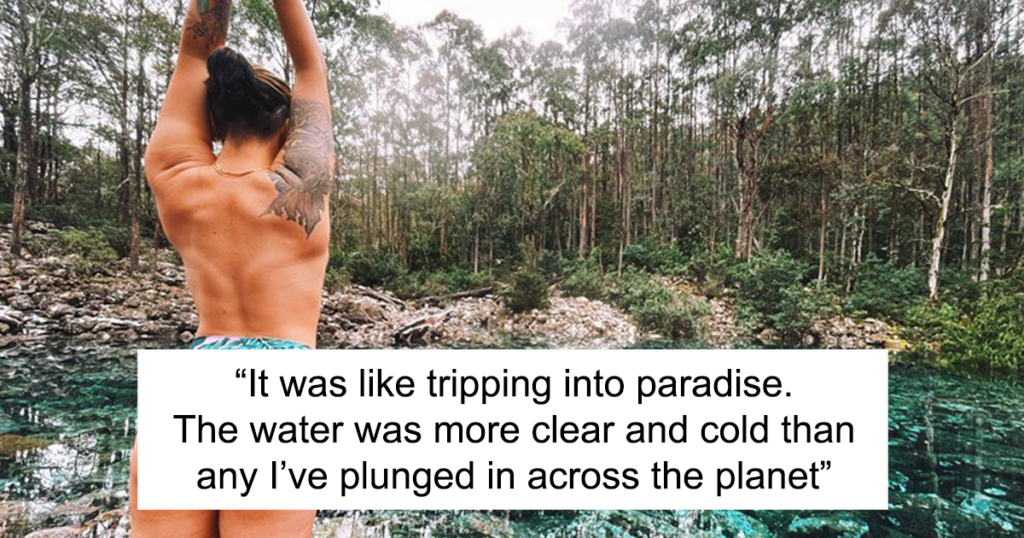
One hiker, who wrote for The Guardian about finding the Disappearing Tarn, described the experience as “ tripping into paradise .”
“By some miracle I found the tarn,” the writer said. “It was like tripping into paradise. The water was more clear and cold than any I’ve plunged in across the planet.”
“The air shimmered and a breeze floated across the eucalypts, rippling the skin of the tarn,” the writer continued. “Giant sparkles moved underwater like fish or spirits, swirling living jewels I couldn’t hold in my hands or catch with my camera. Despite concern I’d find crowds crushing the tarn, just three of us shared that long moment – my companions were two chatty millennials , who’d last been there in the snow.”