
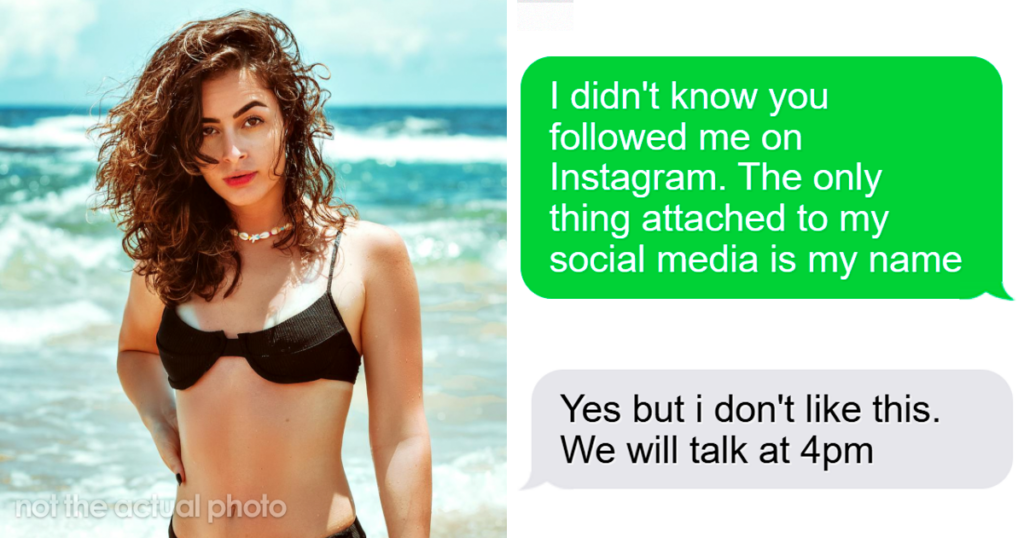
Woman Gets Message From Boss After Posting Beach Pics: “I Don’t Like This”

Image credits: allatsyganova / envato (not the actual photo)
If you are being told not to disclose something personal, like politics, lifestyle, or going to a legal protest, you can be given greater protection, especially by way of state laws. To take an example, some states (like California, New York, and Colorado) pass laws that prevent employers from taking action against an employee for lawful off-work activity, like social media posting. Those protections do normally establish limits, however, where posts themselves amount to harm to the employer’s legitimate business interests.
If the conversation becomes more serious, or if you are being disciplined or threatened with termination regarding a post that you believe is protected, you should record the conversation and consider speaking to an employment lawyer. You may also file a charge with the National Labor Relations Board (the NLRB , isn’t it great how it’s only the last letter that changes?) if your rights under the NLRA have been violated. Greet your boss with professionalism and honesty. Ask for specifics, reference any policy they reference, and define your reason behind the posting if needed. If you believe your rights are infringed upon, check into your state’s labor laws or consult with a professional before resisting too hard. Social media can be your own space, but on the job, the line between public and private becomes blurry, so be sure to know exactly where you are before responding. If you want to read more stories like this, some of the readers shared them below.