
42 Times People Asked The Internet A Strange Question And Got An Answer That Was Even More Interesting
7. Why Did Iceland Remain Largely Treeless After More Than 1,100 Years Of Settlement While Nearby Scandinavia Stayed Forested?
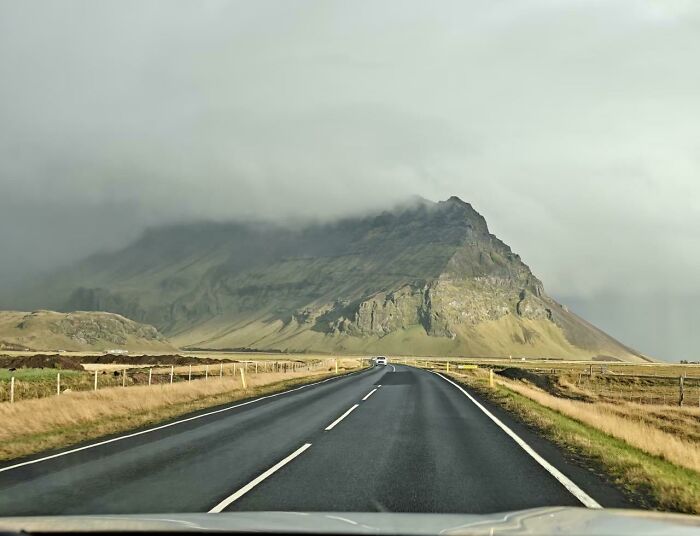
Iceland had substantially more native birch woodland when Norse settlers arrived in the 9th century. Over the following centuries, woodland was cleared for fuel, timber, and grazing, while soil erosion removed vegetation and degraded large areas stretches of the highlands are sometimes described as Europe's largest desert. Trees still grow in Iceland today, and where grazing is excluded, birch can regenerate naturally, especially near existing woodland. Yet large parts of the island remain open landscape centuries after the original woodland was reduced. Norway and Sweden also experienced extensive clearing and grazing, yet many areas there remained forested or were later reforested. Why did Iceland's woodland loss become so difficult to reverse? talkstomuch: same thing in scotland. my guess – it's just hard to re-forest some areas where soil got weathered down to nothing. 1000s of years of vegetation, that gradually created and deposited layers of soil, protected by roots. – once all is gone – wind and water took the soil away. BelinCan: But also:sheep! They will just keep grazing anything that grows. And in Iceland, they have the right to roam, so if you want a forest to grow, you have to fence it off completely.